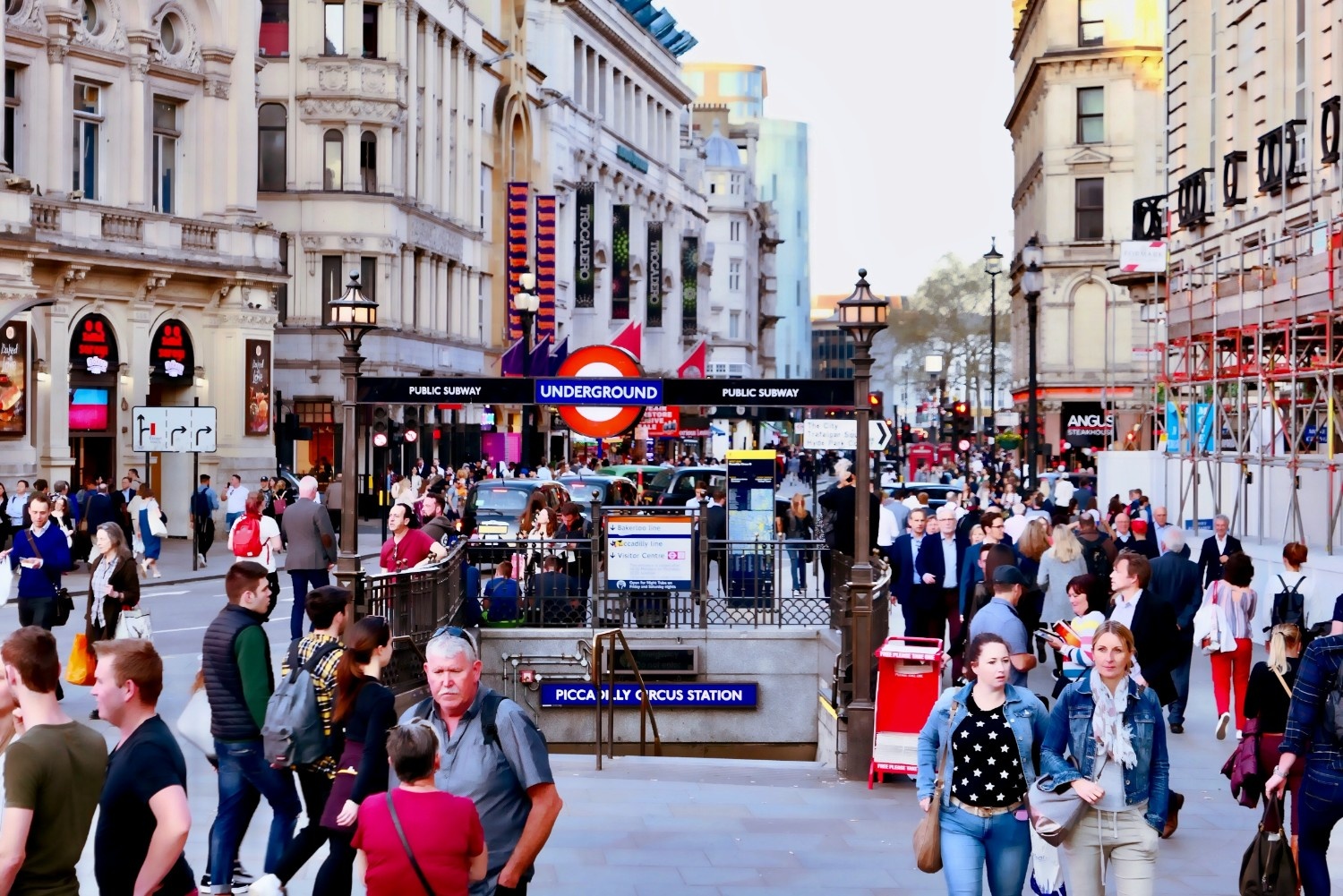
The UK will allow Mayor of London Sadiq Khan and other local leaders to impose a “tourist tax” on overnight stays in English cities.
The government announced the policy on Tuesday, after it was first reported by Bloomberg. Housing Secretary Steve Reed said mayors in England will be able to impose a “modest charge” on visitors.
Ahead of Chancellor of the Exchequer Rachel Reeves’ Nov. 26 budget, a consultation has been launched on the details of the measures, including the rate at which the levy will be set.
It is expected to be applied at around £2 ($2.62) per night, one person familiar with the matter said, and pertain to both hotel and Airbnb-style stays.
Another option is for cities like London to introduce a percentage fee, so the tax paid would be higher for more expensive hotels. Khan’s team estimates London could raise at least £200 million a year through the levy.
English city mayors, like Steve Rotheram of Liverpool, have been lobbying the government on the issue for months. “For too long, cities like ours have been expected to compete on a global stage without the basic tools that other places take for granted,” the mayor told Bloomberg.
Cities like Barcelona and Paris are able to raise millions each year through similar policies, he added: “Until now, we’ve had no such option.”
Khan has spent recent weeks seeking to persuade the Treasury to devolve city-tax powers and welcomed the announcement, which he said “will directly support London’s economy.”
Hospitality groups have spoken out against the proposal, which they argue acts as a deterrent to domestic holidaymakers. “This is a tax on the British seaside holiday, the city break, those visiting family and friends,” Chief Executive Officer of UK Hospitality Kate Nicholls told Bloomberg.
“Make no mistake,” she added, “this cost will be passed directly onto consumers, drive inflation and undermine the Government’s aim to reduce the cost of living.”
In 2024, London saw 89 million overnight stays, and a recent study by the UK-based think tank Centre for Cities argued that such a levy would be unlikely to cause a significant drop in visitors.
“A tourist levy would benefit the capital’s tourist economy, provided the revenues go to local government — ideally split between City Hall and the boroughs — and are not ring-fenced by central government for specific purposes,” said Andrew Carter, chief executive of Centre for Cities.
As drafted, the proposal allows mayors to charge and collect the tax, but council leaders are pushing for funding to be shared with local authorities.
“It is essential that the Government ensures mayors split the revenue with the local councils in their area to support these services, without which economic growth will suffer,” said Adam Hug, leader of Westminster City Council.
Not every one of England’s mayors lined up to support the policy. “There will be no tourist tax in Teesside, Darlington and Hartlepool for as long as I’m Mayor,” wrote Ben Houchen, Conservative mayor of Tees Valley, in a post on X: “Thanks, but no thanks.”